



- Trace funds from source to results in near real time
- Reduce manual processes and reporting delays
- Provide clear, auditable records that build public trust
- Improve oversight ensuring projects deliver measurable outcomes


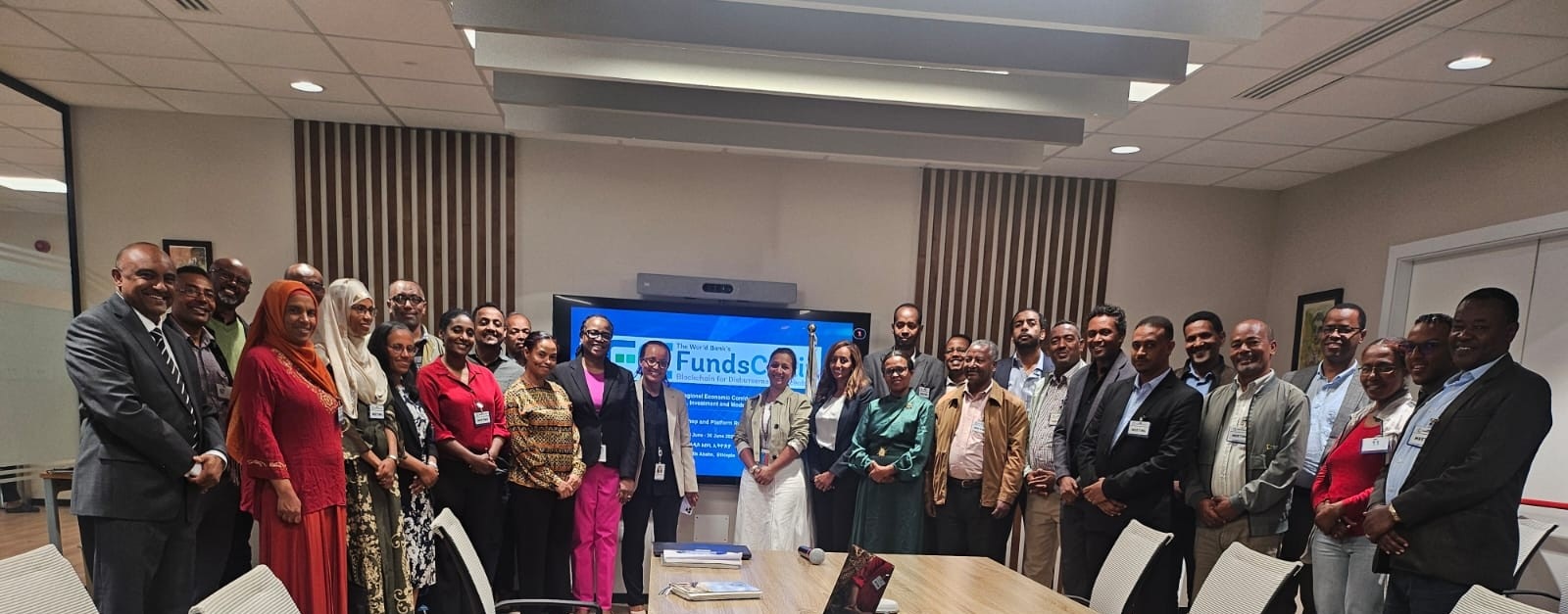
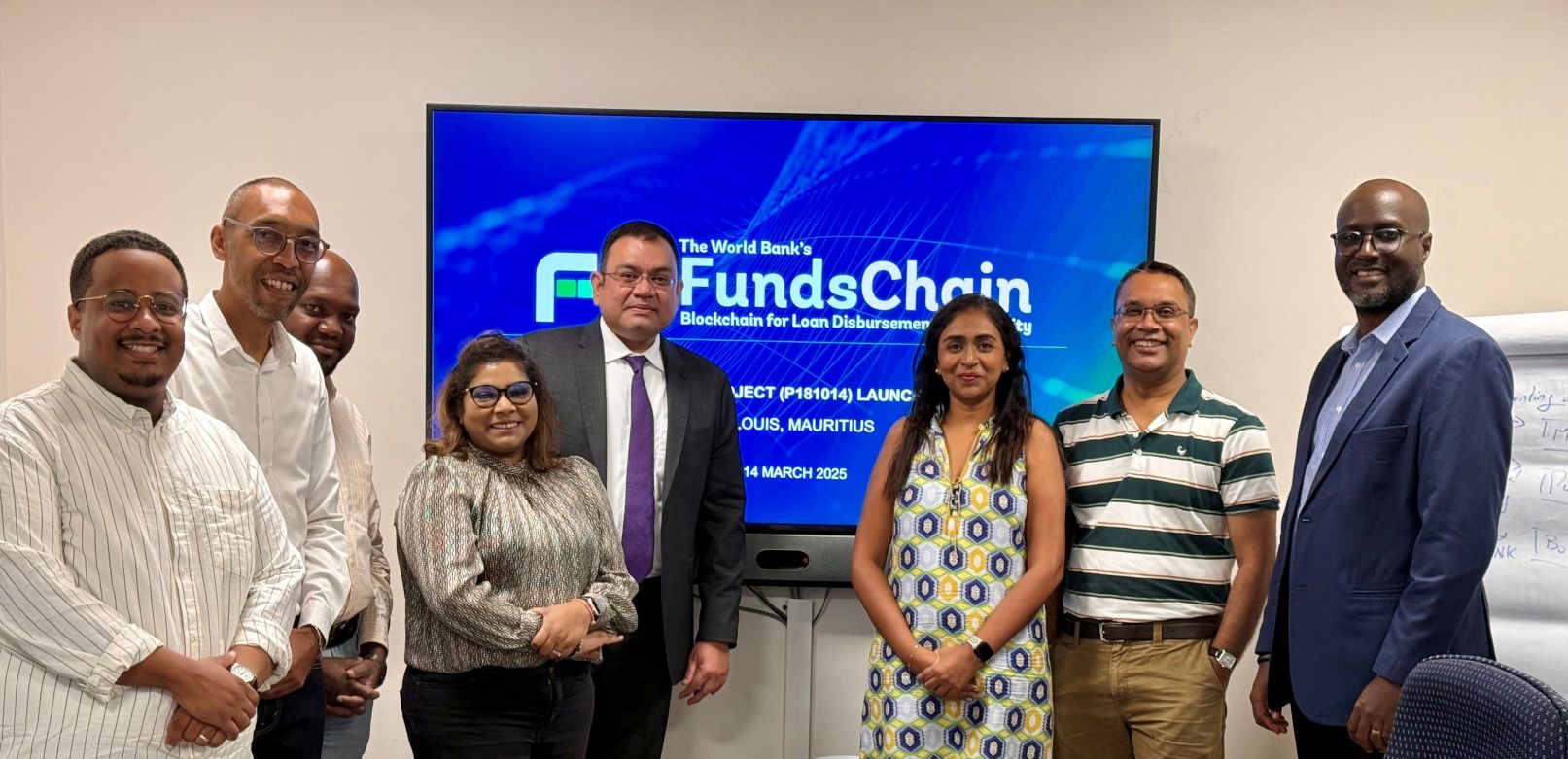
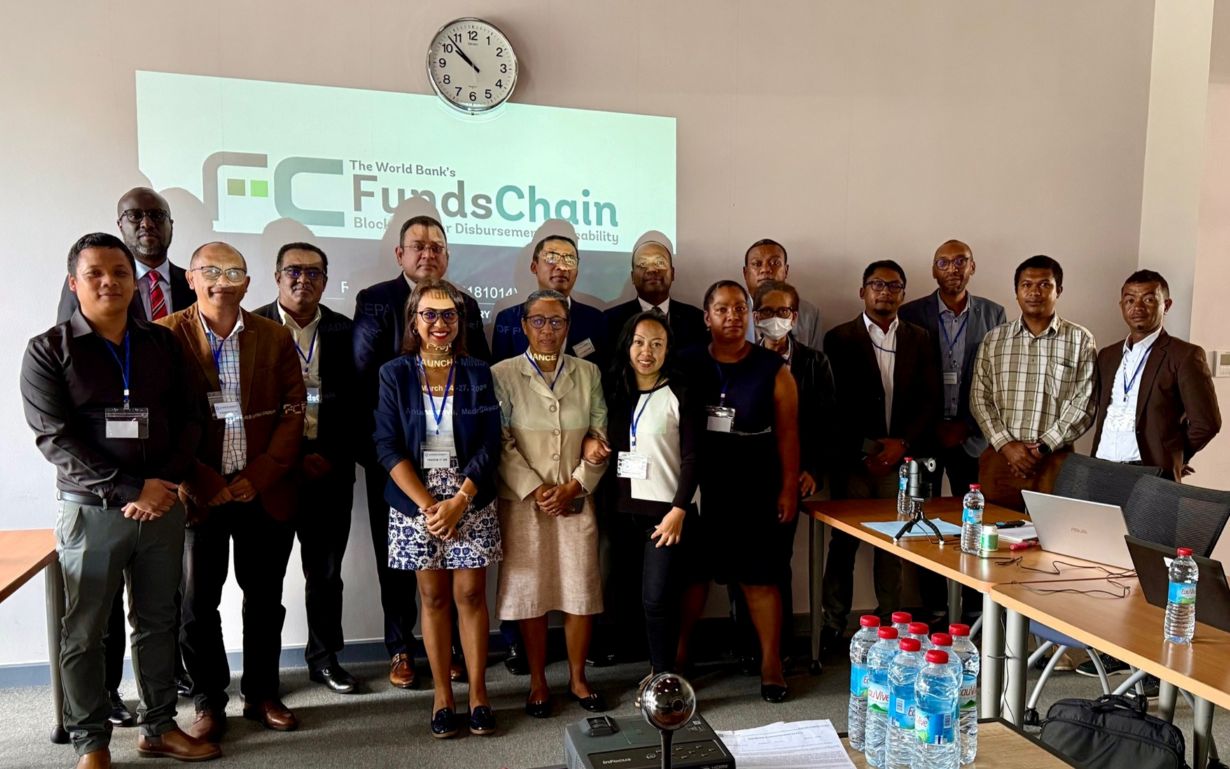
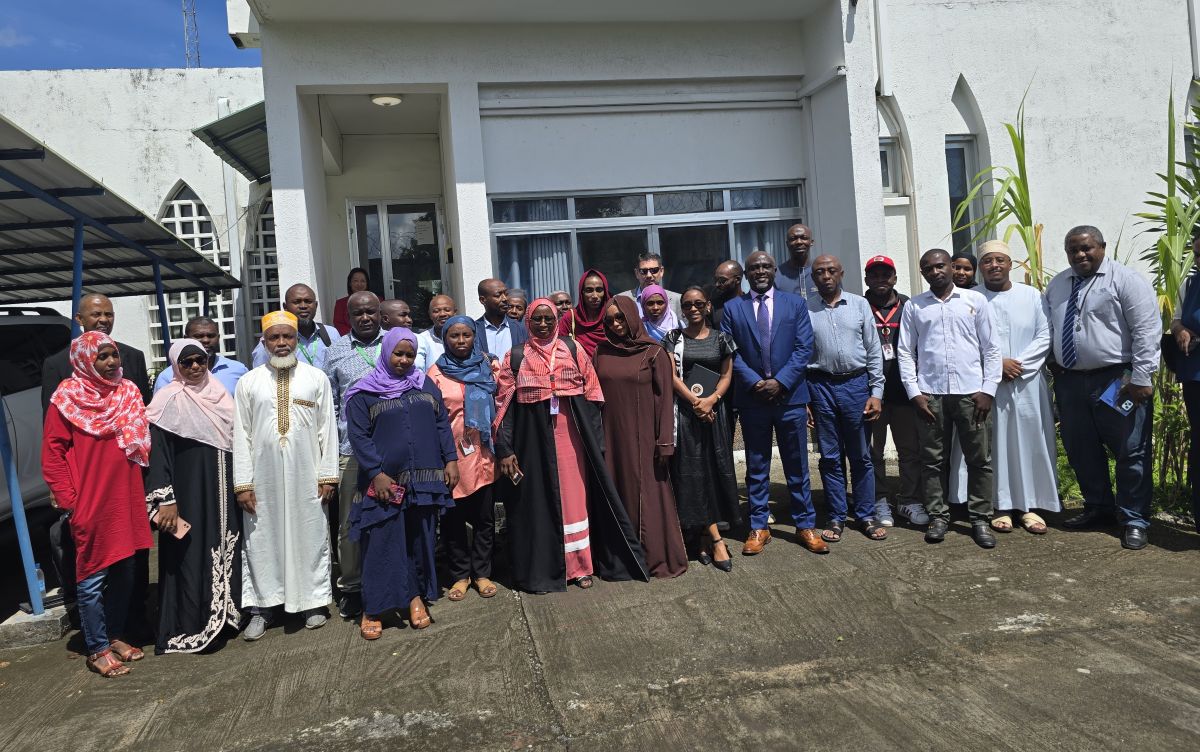




First row seated (left to right):
Erwin Camagay (Senior Finance Assistant - WBG), Divya Mehta (WBG), Carmenchu Austriaco (Senior Regional Team Leader - WBG), Rene Jay de la Calzada (Project Manager, MMFMP PMO), Patricia Hoyes (Manager, WFACS - WB), Georges Comair (TTL - WBG), Dir. Michael Gison (Director III, MMDA OAGMP)
Second row standing (left to right):
Caroline Cheng (Finance Analyst - WBG), Claress Montojo (Administrative Officer IV, MMFMP PMO), Karl Jenny Marquez (Supply Officer III, MMFMP PMO), Alexes Quijano (Accountant III, MMDA Financial Accounts and Analysis Section), Gina Rose Yao (Cashier IV, MMDA Disbursement Unit), Angel Garcia (Budget Officer III, MMDA Budget Division), Lorah Naureen Bautista (Budget Officer I, MMFMP PMO), Lovella Tolentino-Morada (Finance Management Specialist, MMFMP PMO), Brianne Cueco Inocencio (Consultant - WB), Lydia C. Aguilar (Engineer V, DPWH UPMO-FCMC), Engr. Alyssa Joy D. Boringgot (Engineer II, DPWH UPMO-FCMC), Engr. Ma. Mercedes T. Fernandez (Engineer II, DPWH UPMO-FCMC), Ralph S. Buenavista (Accountant II, DPWH FAPS, Accounting Division), Liza B. Estillore (Accountant II, DPWH FAPS, Accounting Division)
Third row standing (left to right):
Josh-armih Magat (Planning Officer III, MMFMP PMO), Ar. Mary Grace Ignacio (Planning Officer III, MMDA OAGMP), For. Nina Camille Gonzales (Planning Officer I, MMDA OAGMP), Ramil V. Magturo (Admin. Officer IV, DPWH CO-FAPS, Budget Division), Riza Gellie R. Quiton (Admin. Officer IV, DPWH CO-FAPS, Budget Division), Atty. Myles B. Abiqui (Section Chief, DPWH FAPS, Accounting Division), Melad,Amancio III (Consultant - WBG), Engr. Ives C. Reloj (Engineer II, DPWH UPMO-FCMC)

First row seated (left to right):
Marina Darie (PIU), Viorica Neclea (PIU), Pam O'Connell (WBG), Junxue Chu (WBG), Robert Judson (EY)
Second row standing (left to right):
Stela Mocan (WBG), Thomas Puschnik (WBG), Jessie Friedman (EY), Oxana Druta (WBG), Mitali Mathur (WBG), Jayavishnu Nattanmai (WBG), Damir Leljak (WBG), Debora Gessesse (WBG), Marina Mijatovic (WBG), Zhuo Yu (WBG), Pratheep Ponraj (WBG)